


05 nights / 06 days programme
Retreat Highlights
- Live in colonial splendour
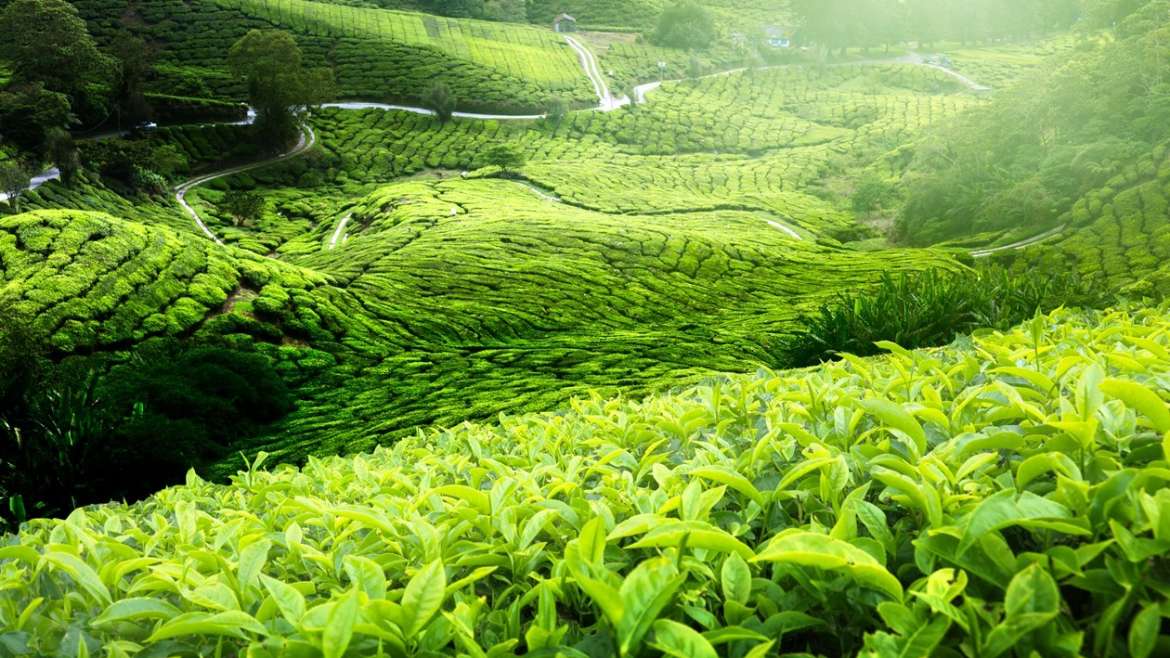
- Visit to a Tea Plantation. Experience how different varieties of tea are processed in surrounding plantations.
- Experience of a Tea Tasting session
- Explore local villages and sights.
- Enjoy yoga and a local dance performance.
- Spend a day out on one of the numerous islands of River Brahmaputra, the 2nd longest and one of the least polluted rivers in the world.
- Visit Dibru-Saikhowa National Park
Day 01- Arrive Dibrugarh
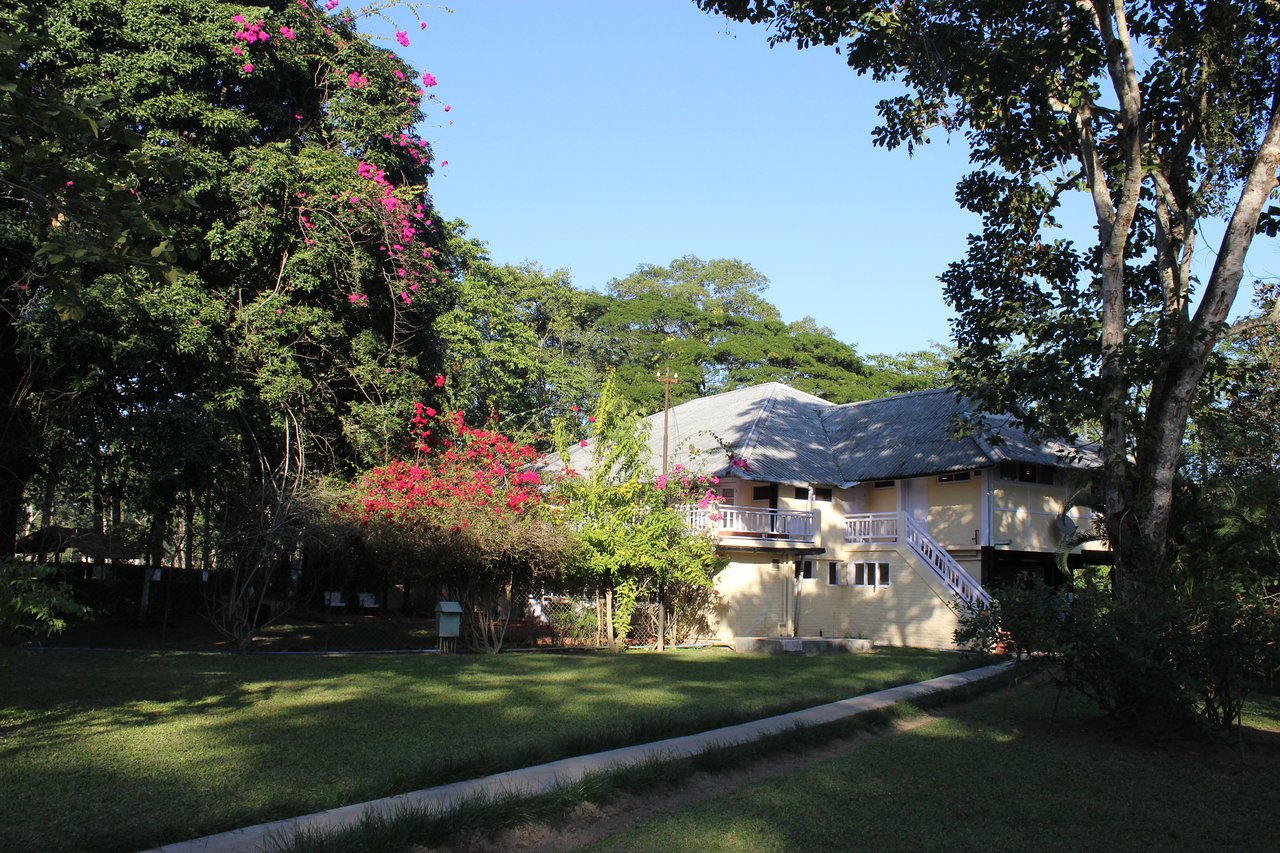
Received at Dibrugarh airport and transferred to Mancotta/Chowkidinghee Heritage Chang Bungalow. Afternoon option to take a tea walk in Mancotta Tea Estate. Evening enjoy a dance performance by an ethnic dance group on the bungalow lawns. Overnight at Mancotta/Chowkidinghee Heritage Chang Bungalow.
Dibrugarh is the gateway to the “Hidden Land” of Eastern Arunachal Pradesh and Northern Myanmar. The Ahoms from Thailand came through Northern Myanmar to this area in the 13th century to establish their Empire which thrived in the ancient land of Assam. It is the “Camellia” town of Upper Assam, an undisturbed haven, with its rich tea gardens resembling a lush green carpet. Experience and enjoy the richness of these tea gardens while staying at the Heritage Chang Bungalows. These are constructed on stilts and are situated in a serene atmosphere free from pollution.
When the British established their tea plantations in the mid-19th century they quickly built comfortable bungalows designed to make life as pleasant as possible in what, was to them, a hostile and strange land. One of the main features of these buildings has given rise to their name – Chang bungalows. Chang in the local language means “raised on stilts” and the design served multi purposes- to keep the house cool by allowing the breeze to blow underneath and to keep both water and animals out!
Bihu is the most popular folk dance of Assam. The people of Assam are very proud of its unique position among all other such dances of India. Except Bhangra (the popular folk dance of Punjab), no other folk dance in India can compete with the rhythmic exuberance of the Bihu dance. ‘Bihu’ performed by young men and women reflects youthful passion and joy rejuvenating life during the spring season, accompanied by songs woven around the theme of love and physical yearning. The dance is performed by all irrespective of caste, creed and religion.
Day 02: Tea Tour & Boat Cruise on mighty Brahmaputra
Early morning yoga session. Post breakfast, take a tea tour around a tea estate known for producing high quality CTC teas . i.e Ethelwold Tea Estate. Also experience of a Tea tasting session of different types of tea with one of the knowledgeable person in the field of tea / practicing Estate Manager.
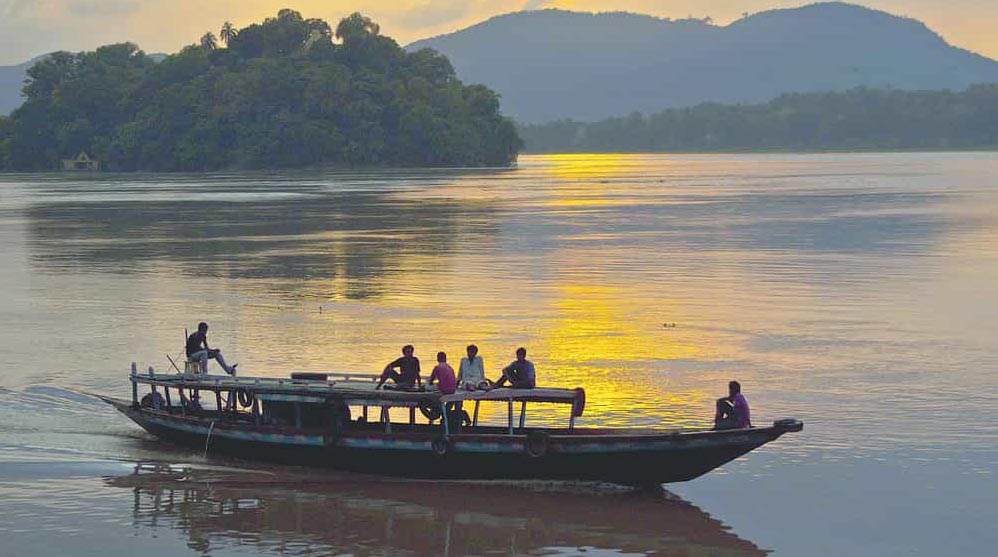
Later we drive on to the river front and take a boat cruise on the mighty Brahmaputra river in a country boat (Subject to weather conditions). Cruise upto a beach island in the midst of the river. Enroute there is a possibility of your sighting flocks of migratory water birds and the elusive Gangetic River Dolphin. Enjoy the view of the Eastern Himalayas and take a nature walk in the vast expanse of grasslands surrounding the island. Enjoy your picnic lunch and the view of the Eastern Himalayas. Option to take a nature walk in the vast expanse of grasslands surrounding the island or go for Kayaking. Return to the mainland. Overnight at Mancotta/Chowkidinghee Heritage Chang Bungalow.
A tea tour through a 157 years old heritage tea garden gives an insight into the different activities that vary from season to season. It teaches us all about tea- its origin, how it is grown, tea tasting and its quality. During the winter months the dormant bushes are pruned to ensure vigorous growth during the warmer months. Once the rains begin, and the temperature rises, the gardens come alive with teams of colourfully dressed tea pluckers, predominantly ladies as they are said to be better able to pluck the delicate buds and leaves. The harvest, which goes on continuously from March to November, is taken everyday to the factory where it undergoes an age old process of being turned into the finished product. All stages of the process are carefully controlled to ensure that the tea that leaves the factory is only of the highest quality, a quality that has made Assam tea world famous.
CTC (Crush, Tear and Curl) tea is a method of processing tea. In this process the leaves instead of being rolled, are passed through a series of cylindrical rollers with hundreds of small sharp “teeth” that Crush, Tear, and Curl.
This style of manufacture has the advantage that the finished product brews quickly, gives a dark infusion rapidly, is well suited for tea bags, and yields more cups per kg. In the Indian domestic market, this type of manufacture has virtually taken over – over 80% of tea production is of the CTC type.
CTC teas produce a rich red-brown color when they are boiled, which adds a beautiful color to tea made in the Indian style. This is done by boiling leaves in a mixture of milk, water and sugar and some spices (producing Masala Chai). With this production method, the tea does not get bitter, and its red colour comes through the white of the milk.
Day 03: Tea Tour & Tea Tasting Session
Early morning Yoga session. Today post breakfast we visit Mancotta Tea Estate known for its Orthodox type of tea. Take a tea walk around the plantation and later visit the tea factory followed by tea tasting session.
Afternoon visit a weaving centre, local village and local market. Evening meditation sessions followed by art workshop. Overnight at Mancotta / Chowkidinghee Heritage Chang Bungalow.
Orthodox tea : The manufacturing process of orthodox tea is quite different from CTC. Instead of the tea leaf been crushed, the leaves are rolled in a machine that twist and break the leaves to release the natural chemicals that later react with oxygen in the air and give the tea its characteristic aroma and taste. It is the leafy variety of tea.
Day 04: Dibrugarh –Tinsukia, Assam
Easy morning yoga session. Post breakfast drive to Margherita (100 kms / 2 ½ hrs) and visit the Inthem village inhabited by Singpho tribe producing traditional Organic Tea. Later drive to Tinsukia and check in at Wathai Heritage Bungalow, Limbuguri Tea Estate for 02 nights. Overnight at the Bungalow.
Singpho people are Theravada Buddhists by religion. The Singphos are divided into a number of clans, each under a Chief known as “Gam”. They were the first to introduce the tea culture in Assam. Producers of Organic Tea coins, packed in silver foils and ready to use-dip the coin into a pot of hot water and it is ready to drink is gaining emense popularity in Europe and Southeast Asian countries. The entire process of manufacturing the tea is done in a traditional manner without the use of any machines or gadgets. The tea is sold under the brand name Phalap (meaning tea in the Singpho language). The loose tea is packed in bamboo containers so that the traditional properties are maintained and it is free from any preservatives or chemicals.
Steal yourself away to a ‘Wathai Heritage Bunglow, Limbuguri Tea estate- this plinth bungalow will allow you to rejuvenate your senses. Located just 5km from Dibru Saikhowa National Park, it is the ideal retreat for a birding break. This ‘Managers Bungalow’, defines serenity and you will most certainly leave revitalized. It has been recently renovated and is the ideal base whether on a quest for quietude or seeking refuge whilst on an explorative ornithological voyage at the neighboring Dibru Saikhowa National park . Although reverine in nature, this park remains open most of the year with innumerable varieties of colourful birds chirping at various pitches and hopping from branch to branch. It is indeed an orinthologist’s delight. Endangered species like Gangetic Dolphin and Feral Horses are common sights in Dibru- Saikhowa.
Fresh tea can be enjoyed in the ‘jali room” to the front of the bungalow in a peaceful atmosphere overlooking the manicured gardens, while meals are served in the spacious dining room complete with an original fireplace. The family room and two large bedrooms complete with ensuite enables eight people to sleep here very comfortably.
Day 05: At Tinsukia, Assam
Today early morning we visit Dibru-Saikhowa National Park and Magori Bheel for a full day birding programme. We take several boat rides on the Dibru River, go for jungle walk, bird and Gangetic Dolphin sighting. Overnight at the Bungalow.
Dibru-Saikhowa National Park has the most distinct and vibrant wilderness on earth and is known for its pristine scenic beauty. The forest in this park ranges from semi-evergreen to deciduous to littoral to swampy marshes with patches of wet evergreen jungles Dibru-Saikhowa is a safe haven to many rare and endangered species of over 350 birds and is a must visit site for target-list birders. The big four here are Jerdon’s Bushchat, Black-breasted Parrotbill, Marsh babbler and Jerdon’s bushchat. Several other rarely observed species can be found in the extensive grasslands, wetlands, and riverine forests. These include Baer’s Pochard, Bengal Florican, Pale-capped Pigeon, Falcated duck, Baikal teal, Chinese spotbilled duck and Rufous vented prinia etc. Dibru-Saikhowa is a haven for an incredible no of Waders, Ducks, Raptors and its specialty grassland birds.
Day 06: Tinsukia -Dibrugarh-Fly out
Today morning we visit Limbuguri Tea factory / plantation. Later in time transfer to Dibrugarh airport (45 kms / 01 hr) to board flight for onward destination.
Note: Visit to tea factory is subject to being operational on the day of the visit. There is no tea plucking between December till mid March and hence the actual manufacturing process of tea cannot be demonstrated when one visits the factory during this period. Factory also remains closed on Monday’s of the week.